The Protein Wars
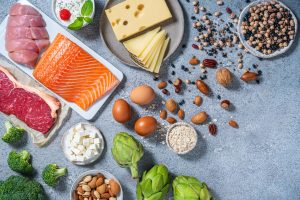
Protein is having a moment. The new dietary guidelines urge us to eat more. The food industry is obliging: Protein bars, protein-fortified yogurt and pasta, even Cheerios™️ Protein.
Americans are heeding the call by eating more meat; U.S. consumption is rising, reaching record sales of $112 billion with nearly 98% of households purchasing meat.
Yet, the nutrition establishment won’t give up easily. An NBC News article forwarded to me by an Intelligent Medicine listener named Susan warns, “Americans are eating up the meat industry’s health claims; Consumer appetites for protein are fueling record meat sales, raising experts’ concerns about the risk of heart disease and other illnesses.”
Susan writes:
“I am continually confused by the information presented on diets that contain red meat as being dangerous for health and the continual push for plant-based proteins without much supporting information, as in the attached article. For myself, I choose to eat both, with red meat ideally consisting of high quality, organic grass-fed beef and poultry. I would appreciate if you could break down the ‘warnings’ of this article and present the positives and negatives of meat protein vs. a diet consisting of primarily plant-based protein. When choosing a primary source of protein for myself and my family, what would be my considerations? Should lifestyle be considered? An active vs. a more sedentary lifestyle? Perhaps certain health issues? Diabetes or cardiovascular issues? I appreciate and value your input as you present facts in a clear and meaningful way. As you will see, the article makes some claims that I hope you can unpack the way you do. Thank you.”
Let’s look at the main contentions in the article:
- There’s a “protein craze” driven by misleading health claims.
- We don’t really need all that additional protein.
- Americans’ embrace of meat threatens to reverse advances in cardiovascular disease prevention.
- Meat raises LDL cholesterol, which, in turn, promotes atherosclerosis.
- Red meat is pro-inflammatory, further raising cardiovascular risk.
- Plant-based proteins are a better source of the essential amino acids we need.
Indeed, protein is “in”, and marketers are leveraging the trend, just as they monetized low-fat, Paleo, and Keto. But is there any truth to the proposition that previous protein guidelines were adequate? Or that too much protein is bad for you?
Yes, claims the nutritionist interviewed by NBC News:
“Excessive protein can stress the kidneys, cause dehydration and contribute to other problems. Once you reach your personal maximum benefit based on your age, your activity level and your body weight, eating above that is actually going to cause harm. It’s not going to confer more benefits.”
Au contraire! Previous protein consumption guidelines were based on old studies where volunteers were sequestered and then given progressively skimpier amounts of protein. When they reached a threshold where they started to cannibalize their own muscle and organs, they were said to be in “negative nitrogen balance”. A little more and their protein intake was deemed adequate.
More rather than less
But as with many nutrients—think most vitamins and minerals—thresholds that avert overt malnutrition may not be optimal, especially for active adults, growing teenagers, pregnant women, seniors who face progressive age-related muscle decline, or the legions of dieters whose appetites are throttled down by GLP-1 drugs.
As to the harms, I challenge any fair-minded nutrition scientist to find any documentation of the ill effects of “excess” protein for other than persons with end-stage kidney or liver disease. The notion that too much protein “taxes the kidneys” of otherwise healthy individuals is a discarded shibboleth. Nor does it promote osteoporosis as was once alleged.
That’s why the latest revision of the U.S. dietary guidelines—the inverted Pyramid—reinstates protein to its rightful place at the base, supplanting grains.
The new emphasis on meat in the dietary guidelines has incurred the wrath of old-line nutrition experts. The American Heart Association, in reaction to the new Pyramid, just doubled-down on its obsolete recommendation that Americans minimize red meat and full-fat dairy due to their saturated fat content, and substitute them with plant proteins, low-fat dairy, and vegetable oils.
Bad for the heart?
But does the latest science support those recommendations? Admittedly, many old epidemiological studies show that meat eaters are more prone to heart disease than their plant-eating counterparts. But these studies are confounded by the fact that most big consumers of steaks, bacon, burgers, luncheon meats and hot dogs simply have more indiscriminate diets overall, are just plain fatter, and are less fastidious in their lifestyles than ardent vegetarians.
More careful studies show the opposite: Low-fat dairy consumers are more likely than full-fat dairy consumers to have heart disease; the newthink on meat intake is that it is not associated with cardiovascular risk.
As for once-maligned “cholesterol-laden” eggs, that ship has long since sailed: a 2024 review concluded: “Meta-analyses conducted on prospective cohort studies have not conclusively established a direct link between coronary artery disease (CAD) and egg yolk consumption.”
Preventing weight gain
Why that might be is possibly due to the “protein leverage hypothesis”. This theory contends that the primary appetitive drive is to acquire adequate protein. People keep eating until they attain their protein threshold, then satiety sets in. If presented with low protein foods, they’ll keep eating—think pasta, cereal, bread, rice potatoes or sweet desserts—acquiring more superfluous calories in a quest for protein sufficiency. Indeed, protein is more satiating than carbs; for many, it’s carbohydrate calories that stoke insulin resistance, a more potent driver of cardiometabolic risk than fat intake.
In a recent study of children of mothers with gestational diabetes, substituting 5% of daily calories from carbohydrates or fat with protein was associated with lower fasting glucose.
Is meat pro-inflammatory?
We now recognize inflammation as a risk factor for cardiovascular disease; that’s why we check hs-CRP (high-sensitivity C-reactive protein) as a proxy for arterial inflammation. Meat is often said to be pro-inflammatory. But is it? The latest research argues against inclusion of red meat in the DII—the Dietary Inflammatory Index of foods:
“In analyses that adjust for BMI, neither processed nor unprocessed forms of red meat were associated with any markers of inflammation.”
Is plant-based better?
Finally, plant-based proteins are oversold as alternatives to meat, eggs, and full-fat dairy. Animal protein delivers the full suite of essential amino acids, while nut, bean, and grain protein is less nutritionally comprehensive and bioavailable. Many plant-based alternatives aspire to an undeserved “health halo” because, in an effort to emulate animal protein, they’re ultra-processed and laden with sketchy artificial flavorings, texturizers and colorings.
That being said, there’s no one-size-fits-all nutritional formula. Genetics, life stage, body composition, underlying health conditions, food preferences, and activity level all figure in personalized recommendations.
Why protein skepticism persists
Susan, I suspect a couple of things are going on with articles like this. First, mainstream academic nutritionists and doctors feel threatened by what seems to them a populist backlash against diet orthodoxy. For so long the gatekeepers of nutritional verity, it’s upsetting to them that social media dilettantes are stealing their thunder. So, instead of objectively weighing the science, they’re reasserting their authority by reflexively doubling down on their long-held—possibly erroneous—dogmas.
Secondly—and this is unfortunate—nutritional science has become highly politicized. This is not surprising in a time when issues like vaccine safety and efficacy, masking, quarantines, and the value of repurposed drugs like hydroxychloroquine and ivermectin became sharply demarcated battle lines during Covid.
For staunch progressives, meat-eaters represent a hoard of toxically-masculine science-deniers, oblivious to medical authorities and unconcerned with threats of environmental catastrophe; for the MAGA base, the anti-meat exhortations of mistrusted academic elites are to spurned as virtue-signaling infringements on their rights to life, liberty, and the pursuit of 22-ounce sirloins. There’s little room for nuance in this death match between carnivorous troglodytes and soy-boys. Since when have foods identified as Democrat or Republican?
Adding to this partisan brew, academic scientists and many medical professionals—threatened with cutoffs to research grants and retrenchment of health subsidies—are fed up with the current Administration. Hence, they don’t take kindly to recommendations championed by a turn-coat Democrat—worse yet, an uncredentialed auto-didact—who cozies up to their arch-nemesis Donald Trump. It’s to be expected that some of the blowback against protein may be inflected by politics, with legacy media happy to lend its megaphone.
So, thanks Susan, for this wonderful question, which teed up this week’s newsletter theme on protein. If you want to get in on the action, email us your question to questions@drhoffman.netor record your question for our weekend radio show by leaving a voicemail at 877-726-8255. Comments are welcome, too.