Leyla Weighs In: Short chain fatty acids and health
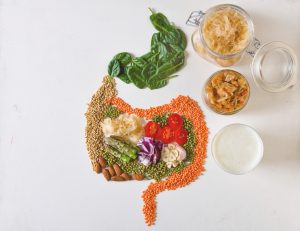
SCFAs are known to be beneficial for human health and the primary energy substrate for colonocytes (colon cells). They’re synthesized by gut microbiota in the presence of fermentable dietary soluble fiber.
The most common SCFAs are acetate, butyrate, and propionate, and the balance of these is critical for the maintenance of a healthy gut microbiome, immune modulation, and systemic metabolic functions. Interestingly, while butyrate absorbed by the colon is said to be beneficial, other areas of the digestive tract where acetate and propionate are absorbed from may not be, indicating a serious need to develop standardized methods for SCFA measurement. This is an area of research that is ongoing.
SCFAs are produced by gut bacteria in the colon, and fermented foods such as sauerkraut, kimchi, kefir, yogurt, and various fermented vegetables. They’re also derived via dietary fiber and resistant starches present in such foods as apples, beans, lentils, carrots, citrus fruits, green bananas, oats, mushrooms, and algae. These are fermented by gut bacteria to excrete SCFAs. Insoluble fiber like cellulose and lignin don’t contribute directly to the production of SCFAs but do influence the gut microbiota in supporting the growth of bacteria that produce SCFAs.
Butter and ghee (clarified butter) contribute a direct source of butyrate because of butyric acid—the primary short chain fatty acid it contains. Butyrate is the critical short chain fatty acid with many health promoting effects—particularly in the colon. Cells in the colon utilize butyrate as a key source of energy and help in maintaining the integrity of the lining of the colon. Indeed, butyrate is the energy provider of colon cells. Without sufficient butyrate, colonic energy metabolism may be compromised and a weakened GI barrier may ensue, causing a leaky gut. Some evidence suggests it can reduce inflammation by blocking the synthesis of inflammatory cytokines.
The concentration of SCFAs in the digestive tract have many bodily impacts: They feed probiotic bacteria, prevent disorders like leaky gut and collagenous colitis and help prevent inflammatory bowel diseases. Research is ongoing on their many benefits.
To your health!
Leyla Muedin, MS, RD, CDN