Leyla Weighs In: Eat well so you can sleep better
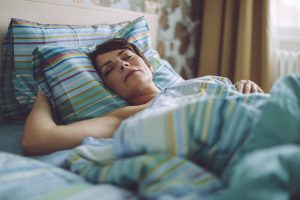
Are you eating unhealthy snacks? Craving more than usual? It may have to do with how much sleep you’re getting—or not getting—which impacts metabolic risk.
We know that not meeting sleep recommendations contributes to poorer health and increased risk of chronic diseases like obesity and diabetes. But prior research never compared sleep duration with dietary patterns—until recently.
Both eating and sleeping are governed by circadian rhythms. Changes in eating behavior impacts sleep quality, and poor quality sleep can stoke cravings for highly processed foods. This can become a vicious cycle of craving and not enough sleep.
It’s found that regular consumption of processed high carbohydrate foods contributes to less sleep efficiency and less deep sleep, which is critical restorative sleep. And shorter sleep duration is linked to increased consumption of sugar-sweetened beverages and energy drinks. Alcohol consumption may help you fall asleep faster but often results in fragmented sleep during the night and less REM sleep. Regular alcohol intake actually robs sleep and obstructs sleep architecture.
Avoid eating close to bedtime and switch to decaf beverages after noon. All-day consumers of caffeinated beverages report trouble sleeping—specifically, longer time to fall asleep, shorter total sleep duration and degraded sleep quality due to diminishing deep restorative sleep. Water or sparkling water are best.
So, it could be that you’re hungry for snacks and treats because you’re not getting enough sleep. But it also could be because you’re up late snacking, enjoying screen time and not moving around much, and you’re not getting enough shut-eye, that creates the vicious cycle of more snacking during the day.
Round and round we go…
To your health!
Leyla Muedin, MS, RD, CDN