Ask Leyla: What should I change after a positive MTHFR result?
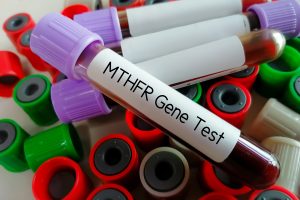
Q: I was recently tested for MTHFR and it came back positive for one of the variants. Do I have to do anything about this?
A: The Methylenetetrahydrofolate reductase polymorphism is a genetic mutation that first gained attention over a decade ago. Many integrative practitioners test for this in the setting of cardiovascular risk factors like high homocysteine levels—which is a proxy for methylation status—mood issues like anxiety and depression, migraine, and vitamin deficiencies like B12 and folate, and subsequent symptoms and pregnancy complications that may be associated with it.
It is worth noting that many people with this genetic SNP (Single Nucleotide Polymorphism) don’t have any symptoms. The variants of this SNP are C677T and A1298C. Some have one variant (heterozygous), others have both (homozygous). SNPs in enzymes like MTHFR impair methylation and remethylation of homocysteine to methionine, reducing SAM-e which is a critical methyl donor. The standard advice among integrative and functional medicine practitioners is to recommend the methylated versions of folate and B12 and to avoid folic acid fortified foods. Vitamin B6, choline and betaine are cofactors in the methylation pathway and are of added benefit in homocysteine lowering formulations.
There is a caveat: There is a subset of people who feel worse on methylated B vitamin formulations reporting increasing anxiety, irritability and quick temper. This observed intolerance is more prevalent than we knew a decade ago. Those individuals do better with standard B vitamin formulations. Contrary to popular belief, non-methylated formulations still help with lowering homocysteine and addressing all the issues associated with low B vitamin status.
To your health!
Leyla Muedin, MS, RD, CDN