Ask Leyla: Is salt making me fat?
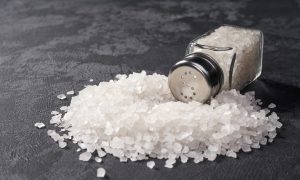
Q: I think we are all aware that excess sodium intake can cause water retention. However, I guess I wasn’t fully aware of the relationship between a high-salt diet and fructose production? Is salt itself causing weight gain? Do I need to put down the salt shaker?
A: Indeed we’ve all experienced water retention when we eat more salty foods than usual. You can feel these effects which include bloating in the abdomen as well as the extremities (read: your rings are too tight) and puffiness in the face. But this water weight gain is typically temporary in healthy persons. And while a high-salt diet doesn’t cause fructose production per se, dietary sugar consumption, fructose included, can cause hyperinsulinemia. This excess insulin causes derangements in biochemistries, such as increasing triglycerides and uric acid, and causes weight gain. So consumption of fructose in the form of added sugar (table sugar is glucose + fructose) and high fructose corn syrup is the real culprit to weight gain.
In other words, the impact of sodium consumption on weight gain is indirect. Hyperinsulinemia causes the body to retain more sodium thereby increasing water retention. And because insulin is a fat storage hormone, it contributes to real weight gain.
High fructose intake contributes to fatty liver and detrimental changes to colonic microbiota. Aside from the processed foods, condiments and soft drinks that contain fructose and high fructose corn syrup, if you have fatty liver, avoid all juices (including your fruit smoothie) and too much fruit.
(For more on this topic, listen to this episode of Q&A with Leyla.)
To your health!
Leyla Muedin, MS, RD, CDN