Ask Leyla: Are there downsides to consuming animal protein?
In a recent article, I compared plant protein to animal protein.
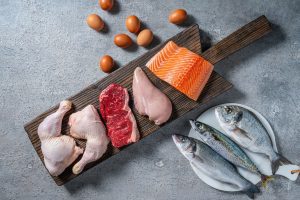
Animal protein is the most high biological value protein in the human diet. These include eggs, red meat, poultry, wild game and seafood. Meat is highly digestible, contrary to popular belief. It contains little if any antinutrients, as opposed to plant foods which contain many of these in the form of lectins, phytates, oxalates, tannins, goitrogens and phytoestrogens.
There is little downside to eating animal protein unless it’s tainted with hormones, antibiotics and pesticides (usually contained in the feed of commercially produced meat). The saturated fat in red meat, stearic acid, has a neutral effect on cholesterol. The true culprit of cholesterol oxidation, atherogenic pattern B LDL, and high triglycerides, is too many carbohydrates—especially the consumption of sugar and refined starches that leads to metabolic abnormalities like metabolic syndrome (aka Syndrome X), overweight and obesity, prediabetes and diabetes. These abnormalities are what contribute to the calcification of coronary arteries leading to cardiovascular disease (smoking too).
Containing virtually no carbohydrates, high biological value protein is a source of complete protein—providing all essential amino acids—vitamins, minerals, and fatty acids including beneficial saturated, monosaturated, healthy omega-6 and omega-3s, given the animal is pastured and grass fed. The addition of organ meats like liver confers additional vitamin A, folate, and CoQ10, among other important micronutrients.
Good quality animal protein and its inherent fats provide satiety, quelling false hunger and cravings when consumed without processed carbohydrates. An important part of your healthy whole foods based eating plan. If your aim is good health, don’t go without it.
To your health!
Leyla Muedin, MS, RD, CDN