Are oats good for you?
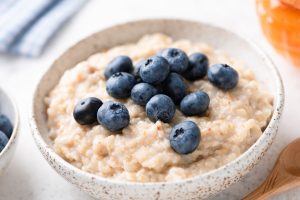
An inquiring Intelligent Medicine listener forwarded this article to me and asked me what I thought: “How Healthy are Oats?”
The NY Times breezily reports: “Hearty, basic and cheap, oats have been eaten for centuries. And now, they’re a staple of wellness culture — for good reason . . . Many studies have found that oats lower LDL cholesterol, or the ‘bad’ cholesterol that increases your risk of heart attack and stroke . . . Eating oats can be particularly beneficial for people with Type 2 diabetes”.
Full disclosure: Although I’m generally on a low-carb diet, I do consume oatmeal occasionally. I find it helpful before a late-morning bike ride, especially in the winter when I have to wait until mid-morning for the chill to abate, or before my weekend spin classes which begin at 11:00. Generally, I like to exercise on an empty stomach, but for sustained exertion like a triathlon, or if my morning routine starts later, oats are an ideal form of slow-release carbohydrates. And unlike sausage and eggs, they don’t weigh me down.
I’m also not trying to lose weight, I burn off calories with lots of exercise, and I don’t have insulin resistance or elevated blood sugar. So, I have a moderate tolerance for carbs—unlike many people my age.
Breakfast of champions?
That’s where push-back on breakfast cereal comes in. Prominent low-carb influencers consider oatmeal a bad choice. That’s because, while it’s high-fiber, it still delivers a lot of carbohydrate calories while meager in protein and bereft of fat. That means oatmeal doesn’t promote satiety as much as a high-protein breakfast.
What’s key to this argument is the “second meal effect”. A term coined by the godfather of the Glycemic Index (GI)—Dr. David Jenkins—it refers to the impact of a previous meal on the blood sugar response to a subsequent meal.
Hence, breakfast is important. If you set the stage with a chocolate croissant or a Danish pastry, coffee or tea with sugar and skim milk, and a glass of orange juice, their rapidly-absorbed sugar will spike your insulin. Your blood glucose will soar, only to plummet, and you’ll be ravenous by lunchtime.
Admittedly, Jenkins was a whole-grain and legume guy, who contended that the slow-release starch in these high-fiber foods mitigated the second meal effect. But carried to its logical conclusion, a veggie omelet, with an even lower glycemic index, could work better as a hedge against mid-day munchies.
Diabetes benefits?
Jenkins’ work provides the rationale for the claim that whole grain oatmeal is an ideal food for diabetics. I contend that it depends. Most people don’t have the patience to slow-cook coarse Scotch oats overnight; instead, they consume instant or quick-cooked oats, which have a higher glycemic index—surely better than Froot Loops® or Frosted Flakes®, but with a GI equivalent to pasta or bread.
The more processed the “whole” grain, the more readily it releases its sugar. Fiber helps to time-release it. Worse yet, people often consume oatmeal with generous toppings of brown sugar, honey, maple syrup, fruit, or raisins and dates.
To make oatmeal healthier, select the least processed kind, and limit portions. Garnish with flaxseed or walnuts, and add a dab of butter, which slows intestinal transit. Accompany your cereal with a soft-boiled egg, natural breakfast sausage, or a half an avocado.
Here’s an easy way to find out whether oatmeal is undermining your blood sugar control: Wear a CGM—continuous glucose monitor—and test different breakfast choices. You may be active, not overweight, and metabolically healthy, and more resistant to glucose spikes prompted by starchy foods. More likely, you’ll see your blood sugar soar with a carby breakfast.
Different strokes for different folks; I found that many of my insulin-resistant patients did better with strict carbohydrate avoidance. Yes, a bowl of fiber-rich oatmeal might be preferable to a Pop-Tart, but the substitution may not suffice to drop excess pounds, lower hemoglobin A1c or triglycerides, or normalize blood pressure.
(Dad joke: Fiber must be good for your blood sugar—have you ever seen a diabetic moth?)
“Heart-healthy” oats?
As to the argument that oatmeal can lower your risk of heart disease, I find it somewhat disingenuous. I recall an old New Yorker cartoon that depicted a man standing next to a mountain of grain, towering over him. It was captioned: “The amount of oats you’d have to eat over a lifetime to avoid a heart attack”.
The reason is that, even per the source quoted by the NY Times, oatmeal lowers cholesterol only minimally. A serving and a half reduced LDL by a mere 9 points. A cholesterol-lowering drug with that meager track record would be considered a failure.
Even a 2026 study that subjected volunteers to three big bowls of oatmeal per day in lieu of their normal meals produced a mere 15 point reduction in cholesterol over a two day period—hardly sustainable.
As to epidemiological studies that show that oatmeal consumers have less heart disease, they’re surely confounded by the fact that people who dutifully down an austere bowl of porridge every morning probably make a wider variety of healthier lifestyle choices than their less-discriminating Egg McMuffin-consuming peers.
Beta glucan
The key to oatmeal’s heart-healthy benefits, according to the NY Times article, is a soluble fiber called beta-glucan. Not to be confused with mushroom-derived beta glucan, which is a potent immune system adaptogen, oat fiber acts as a sponge in the intestine, sopping up some cholesterol.
But the more processed the oatmeal, the less beta glucan it delivers. When I eat oatmeal, I use oat bran, which cooks quickly, delivers a higher payload of beta glucan than ordinary oatmeal, and is less caloric than oat flakes.
Nevertheless, for people truly in need of cholesterol-lowering, oatmeal isn’t the answer. That’s why we have statins and even more powerful LDL-slashing drugs. It makes little sense for a heart attack survivor—already dosed with potent medication that drives their LDL to low double digits—to quaff oatmeal in expectation of additional protective dividends.
Safer than wheat?
Some good news on oats: They’re gluten-free, making them generally safe for sufferers of celiac disease. But there’s a hitch. Most oatmeal is produced in factories where the equipment may be cross-contaminated with wheat. Therefore, true celiacs must check labels to assure their oats are certified gluten-free.
For those with digestive maladies invoking a “low-FODMAP diet” to alleviate bloating or diarrhea caused by SIBO (small intestine bacterial overgrowth), oats are relatively low in fructans (the “F” in FODMAP, a family of fermentable carbohydrates). Moderate amounts may be well-tolerated, and the fiber in oatmeal may help regularity.
But oats are not universally well-handled by sufferers of celiac disease or IBS. They contain avenin, a gluten-like protein, that causes symptoms of diarrhea, gas and bloating in a subset—around 10%—of people with digestive complaints. For some, complete elimination of all grains is necessary to rein in symptoms.
Got oat “milk”?
And don’t even get me started on oat “milk”. The watery swill bears no resemblance to real milk, even when artificially fortified with a smattering of vitamins. Oat milk delivers scant satiating protein or fat; its starch and sugar content can spike glucose; and it’s a Trojan horse for sweeteners, seed oils like Canola, and thickening agents like gellan gum and carrageenan that may be gut irritants.
BOTTOM LINE: Just as we warn in consumer ads, the NY Times’ uncritical sendoff of oats ought to be accompanied by a prominent disclaimer: “Individual results may vary!”